|
What are the most common sports injuries?
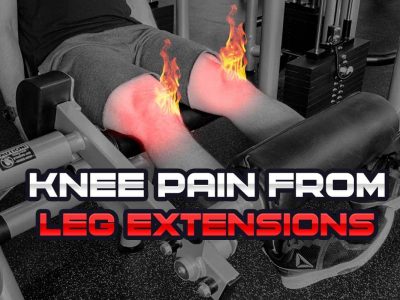
The most common sports injuries involve the knee, shoulder and elbow joints.
Approximately 55% of athletic injuries occur in the knee. The shoulder is the next most frequently
injured joint in sports; approximately 20% of sports injuries.
The elbow is the third most frequently injured joint; approximately 7% of sports injuries.
How are sports injuries treated?
Most often sports injuries can be treated without surgery with the
application of several general treatment principles:
-
Rest
Avoid the irritating activity or sport until you can go through your
normal daily routine (usually less vigorous than sports) without
pain or difficulty. This may be only several days; it may require
several weeks or even months for more severe injuries.
-
Ice
Ice helps for 10-20 minute periods several times a day for 2-3 days
after the injury. Ice slows the blood flow at the place of injury
and thereby decreases swelling; it also has mild analgesic effects
which help diminish pain.
-
Medication
Non-steroidal anti-inflammatory medications (such as Motrin or
Advil) help to decrease inflammation, and thereby pain and swelling,
at the injury site.
-
Maintain endurance
While you are resting your injury, you should maintain your
endurance by cross training. This includes choosing another form of
exercise which does not stress the injured area (i.e. stationary
cycling after an elbow injury.)
-
Rehabilitation
Once there is no pain at the injury site, then you can begin to move
the injured area. This is done by slowly increasing its movement to
match that of your other uninjured joint or muscle. Once full motion
(compared to the other side) is achieved, then you may begin to
strengthen the area. Light weights can be used and slowly increased
until the strength of the other side is matched.
-
When to call the doctor
Some injuries are more serious and should be seen by a physician as
soon as possible. These injuries cause obvious deformity, inability
to move a limb or joint, numbness in an extremity or severe pain at
the place of injury.
You can carry out these six simple
treatments yourself. Often they will allow athletes to return to their
sports safely and quickly. Sometimes the injury continues despite these
treatments and you should see a doctor. Your physician may choose other
non-surgical treatment (i.e. prescription non-steroidal
anti-inflammatory medications or formal physical therapy.) Sometimes
however surgery, often arthroscopic, is necessary to return to sport. Here
is an interesting paper on:
An epidemiologic investigation of injuries affecting young competitive
female gymnasts
(leaves
US Gyms.Net) |